
Getting ready for an international trip sounds simple. You book your ticket, grab your passport, and mark the days on your calendar. Yet over 30 percent of travelers face issues at the border just because their passport is missing the six-month validity rule. Most people focus on packing the right clothes or finding cheap flights. The real make-or-break details are hidden in documentation, currency, and unexpected cultural hurdles that can turn an adventure into a headache.
Table of Contents
- What Are The Key Considerations For International Travel?
- Why Is Cultural Awareness Important For Travelers?
- How Do Travel Regulations Affect International Trips?
- What Are Common Travel Challenges And How To Navigate Them?
- How Can Technology Enhance Your International Travel Experience?
Quick Summary
| Takeaway | Explanation |
|---|---|
| Ensure valid passport and visas | Keep your passport valid for at least six months beyond your return date and obtain necessary visas for your destinations. |
| Research health and vaccination needs | Understand the local health requirements and pack essential medications, along with verifying your health insurance’s international coverage. |
| Prepare for cultural differences | Respect local customs and communication styles to foster positive interactions and avoid misunderstandings during your travels. |
| Be aware of travel regulations | Stay updated on entry requirements, health documentation, and customs regulations to avoid delays or legal issues during travel. |
| Leverage technology for travel | Use digital tools for booking, navigation, and managing documents to enhance your international travel experience and streamline logistics. |
What are the key considerations for international travel?
International travel requires strategic planning and comprehensive preparation to ensure a smooth, secure, and enjoyable experience. Travelers must navigate multiple complex aspects beyond simply booking a flight and packing a suitcase. Understanding these key considerations helps prevent potential challenges and transforms your journey from stressful to seamless.
Documentation and Legal Requirements
The foundation of successful international travel lies in proper documentation. Our guide on business travel safety tips emphasizes the importance of meticulous preparation. According to Princeton University, travelers must ensure their passport remains valid for at least six months beyond their planned return date. This critical requirement prevents unexpected entry denials at international borders.
Key documentation considerations include:
- Valid passport with sufficient remaining validity
- Necessary travel visas for destination countries
- Copies of critical documents stored separately from originals
- Travel insurance documentation
- Vaccination records or health certificates
Financial and Security Preparedness
Financial management and personal security represent another crucial dimension of international travel. Harvard Law School recommends minimizing cash transportation and leveraging credit cards for most transactions. Travelers should notify their bank about international travel plans to prevent unexpected card freezes and research local currency exchange rates before departure.
Security measures extend beyond financial considerations. Electronic device protection becomes paramount when traveling internationally. Implementing robust cybersecurity practices helps safeguard personal information. This includes using secure Wi-Fi networks, avoiding public computer credential entries, and maintaining updated device security settings.
Health and Logistics Planning
Comprehensive health preparation involves understanding destination-specific medical requirements and potential health risks. Researching recommended vaccinations, potential endemic diseases, and local healthcare infrastructure helps travelers make informed decisions. Travelers should also pack a basic medical kit containing essential medications, understand their health insurance’s international coverage, and locate nearest medical facilities at their destination.
Why is cultural awareness important for travelers?
Cultural awareness represents more than a mere travel nicety. It is a fundamental skill that transforms international experiences from superficial encounters to meaningful, respectful interactions. Travelers who invest time in understanding cultural nuances not only enhance their personal journey but also contribute to positive cross-cultural communication and global understanding.
The Foundation of Respectful Travel
Understanding cultural contexts goes far beyond avoiding social faux pas. Our insights on luxury travel trends underscore the importance of cultural intelligence in modern travel. According to the U.S. Department of State, cultural awareness reduces misunderstandings and facilitates smoother interactions with local populations.
Key aspects of cultural understanding include:
- Recognizing and respecting local customs and traditions
- Understanding non-verbal communication signals
- Acknowledging diverse social etiquette practices
- Appreciating historical and religious sensitivities
- Demonstrating genuine curiosity and respect
Communication and Personal Safety
Cultural awareness directly impacts personal safety and communication effectiveness. Different societies have unique communication styles, personal space boundaries, and interaction protocols. What might be considered polite in one culture could be perceived as offensive in another. Understanding these nuanced differences helps travelers navigate social interactions more effectively, reducing potential conflicts and misunderstandings.
Personal Growth and Global Perspective
Beyond practical considerations, cultural awareness offers profound personal development opportunities. Engaging with different cultural perspectives challenges personal assumptions, expands worldviews, and fosters empathy. Travelers who approach new cultures with openness and respect gain insights that transcend typical tourist experiences. This approach transforms travel from a mere geographical movement into a rich, transformative journey of personal and intellectual discovery.
How do travel regulations affect international trips?
Travel regulations represent a complex web of legal requirements and safety protocols that significantly impact international travel experiences. These regulations serve as critical mechanisms for ensuring traveler safety, national security, and public health while managing cross-border movements. Understanding their intricate nature helps travelers navigate potential challenges and prepare effectively for international journeys.
Entry and Documentation Requirements
Our guide on business travel safety tips emphasizes the critical importance of understanding documentation protocols. According to the U.S. Department of State, international travel regulations dictate specific documentation standards that directly influence trip feasibility and accessibility.
Key documentation regulations include:
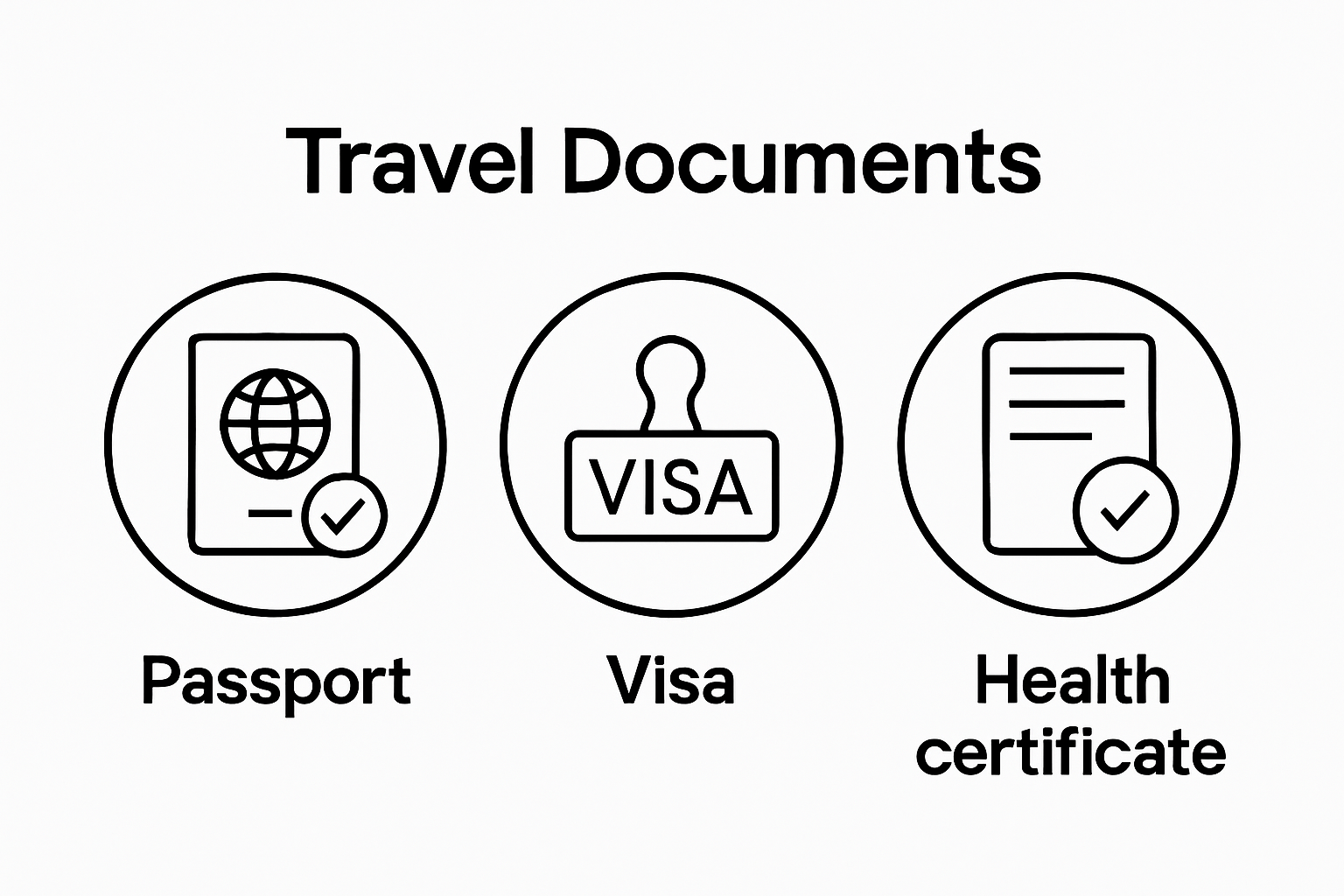
- Passport validity requirements
- Visa processing and entry permissions
- Specific country-based immigration restrictions
- Mandatory health documentation
- Travel insurance verification protocols
Health and Vaccination Regulations
Health regulations have become increasingly prominent in international travel landscapes. Governments worldwide implement specific health requirements to prevent potential disease transmission and protect public safety. These regulations can range from mandatory vaccination certifications to quarantine protocols, fundamentally altering travel planning and execution strategies.
Travelers must navigate complex health regulatory environments that may include proof of vaccination, negative testing requirements, and potential health screenings at international entry points. Such regulations can change rapidly based on global health conditions, requiring continuous monitoring and adaptable travel preparations.
Security and Customs Compliance
Security and customs regulations represent another critical dimension of international travel governance. These protocols determine what travelers can bring across borders, establish declaration requirements, and enforce strict guidelines to maintain national security. Understanding these regulations prevents potential legal complications and ensures smooth international transit.
Effective compliance involves thorough preparation, including understanding restricted items, accurately completing customs documentation, and maintaining transparent communication with border control authorities. Travelers who proactively research and adhere to these regulations minimize potential travel disruptions and legal challenges.
What are common travel challenges and how to navigate them?
International travel is an enriching experience that demands strategic preparation and adaptability. Despite careful planning, travelers frequently encounter unexpected obstacles that can disrupt their journeys. Understanding these potential challenges and developing proactive strategies helps transform potential setbacks into manageable situations.
Health and Safety Considerations
Your Ultimate 2025 Business Travel Checklist highlights the critical importance of comprehensive preparation. According to the U.S. Department of State, successful navigation of international travel requires anticipating and mitigating potential health and safety risks.
Common health and safety challenges include:
- Unexpected medical emergencies
- Potential exposure to infectious diseases
- Environmental health risks
- Limited access to familiar healthcare systems
- Potential dietary and water safety concerns
Communication and Logistical Barriers
Language barriers and technological limitations represent significant challenges for international travelers. Communication difficulties can impact navigation, emergency responses, and basic daily interactions. Travelers must develop strategies for overcoming these obstacles, such as utilizing translation technologies, learning basic local language phrases, and maintaining flexible communication backup plans.
Technological challenges like inconsistent internet connectivity, different electrical standards, and roaming restrictions can further complicate travel experiences. Preparing with appropriate adaptors, portable power banks, and alternative communication methods helps mitigate potential disruptions.
Financial and Documentation Complications
Financial management presents another complex dimension of international travel. Currency exchange fluctuations, unexpected transaction fees, and potential card authentication issues can create significant stress. Travelers must maintain multiple payment options, notify financial institutions about travel plans, and carry backup payment methods.
Documentation challenges such as passport complications, visa processing delays, or unexpected entry requirements can potentially derail travel plans. Maintaining digital and physical copies of critical documents, understanding destination-specific regulations, and allowing substantial buffer time for potential administrative complications are essential strategies for successful international travel.
The table below compares three major categories of travel challenges discussed in the article, outlining their descriptions and typical solutions for easy reference.
| Challenge Category | Description | Typical Solutions |
|---|---|---|
| Health and Safety | Medical emergencies, disease risks, unfamiliar health systems | Research health needs, pack medical kit, know local providers |
| Communication and Logistical Barriers | Language difficulties, technology/internet issues | Use translation apps, backup communication plans, adapters |
| Financial and Documentation Complications | Currency issues, payment problems, documentation delays | Carry multiple payment options, notify bank, back up documents |

How can technology enhance your international travel experience?
Technology has revolutionized international travel, transforming traditional approaches to planning, navigating, and experiencing global journeys. Digital innovations provide travelers unprecedented access to information, personalized resources, and real-time solutions that simplify complex travel logistics and enhance overall trip experiences.
Digital Planning and Booking Tools
Understanding the Benefits of Online Booking highlights the transformative power of digital travel technologies. According to the International Inbound Travel Association, technological advancements are streamlining travel processes and creating more seamless experiences.
Key technological planning advantages include:
- Real-time flight and accommodation comparisons
- Instantaneous global booking capabilities
- Comprehensive destination research platforms
- Personalized travel recommendation algorithms
- Integrated price tracking and alert systems
Navigation and Communication Technologies
Smart technologies have dramatically simplified international navigation and communication challenges. Advanced translation applications, GPS technologies, and mobile connectivity enable travelers to overcome language barriers and geographic uncertainties with unprecedented ease. Smartphone applications now provide instant access to maps, translation services, local transportation information, and cultural guidance.
Digital tools like offline map downloads, language translation apps, and international communication platforms eliminate traditional travel communication barriers. Travelers can now access real-time navigation, communicate across language differences, and receive immediate local insights through sophisticated digital platforms.
Security and Documentation Management
Technology offers robust solutions for managing travel documentation and personal security. Digital passport applications, electronic visa processing, and biometric identification systems streamline border control procedures. Travelers can now store digital copies of critical documents, receive instant travel advisories, and maintain secure communication channels with emergency services.
Additionally, advanced cybersecurity technologies help protect personal information during international travel. Virtual private networks, secure communication platforms, and encrypted digital storage solutions provide travelers with comprehensive digital protection strategies, ensuring safer and more confident international experiences.
This table organizes key travel technology features by their primary benefit, helping readers understand how different tools enhance the international travel experience.
| Technology Feature | Primary Benefit | Examples |
|---|---|---|
| Digital Planning and Booking | Streamlines reservations | Booking platforms, price alerts, comparison tools |
| Navigation and Communication Apps | Overcome language/geography | GPS apps, language translators, offline maps |
| Security & Document Management | Enhances safety & access | Secure digital storage, VPNs, e-visas |
Elevate Your International Travel With Worry-Free Luxury Transportation
Planning for smooth and secure international travel means paying attention to every detail, from essential documents to personal safety and seamless logistics. After reading our guide on documentation and legal requirements, it is clear that managing local transportation in a new city should never be another source of stress. Imagine stepping off your plane and having a professional chauffeur greet you, ready to deliver unmatched comfort and safety while you focus on enjoying your journey. Enhance your visit with a service designed for travelers who value reliability, professionalism, and peace of mind.

Entrust your airport transfers, corporate travel, or leisure outings to Pompeii Limousine, where you can book your luxury car online in just a few clicks. Our fleet serves San Diego, Los Angeles, Phoenix, and other select cities, ensuring you arrive on time and in style. Let us handle the logistics so you can focus on what matters most. Visit https://pompeiilimousine.com now to reserve your next-level travel experience.
Frequently Asked Questions
What are the key documents required for international travel?
Travelers need a valid passport with at least six months remaining validity, any necessary visas for their destinations, copies of critical documents, travel insurance documentation, and vaccination records if applicable.
How can I ensure my personal safety while traveling internationally?
To enhance personal safety, minimize cash transportation, use credit cards, notify your bank of travel plans, implement robust cybersecurity practices, and research your destination’s security landscape.
What health precautions should I take before traveling abroad?
It’s essential to research destination-specific medical requirements, recommended vaccinations, local healthcare infrastructure, and pack a basic medical kit. Additionally, understand your health insurance coverage for international travel.
How can technology enhance my international travel experience?
Technology can streamline travel through digital planning tools, navigation apps, and document management solutions. Advanced security features, language translation applications, and real-time location services significantly enhance convenience and safety during your trip.