
Business dinners are way more than just eating a nice meal. A Harvard Business Review study shows that nearly 80 percent of professionals say their opinion of a colleague has changed because of a single meal together. Surprising, right? You might think it’s all about knowing which fork to use and smiling politely, but that’s just the start. The real secret is in the subtle signals and social moves happening around the table.
Table of Contents
- What Is Business Dinner Etiquette?
- Why Is Business Dinner Etiquette Important?
- Key Principles Of Business Dinner Etiquette
- Cultural Considerations In Business Dining
- The Role Of Non-Verbal Communication In Business Dinners
Quick Summary
| Takeaway | Explanation |
|---|---|
| Business dinners are strategic platforms | They are opportunities for building relationships, negotiating, and networking, beyond just eating together. |
| Cultural sensitivity is crucial | Understanding cultural dining norms helps avoid missteps and enhances professional interactions in diverse settings. |
| Non-verbal cues convey powerful messages | Body language and facial expressions significantly impact perceptions and communication during professional dining. |
| Active listening enhances engagement | Practicing attentive listening fosters stronger connections and promotes constructive conversations in business meals. |
| Good table manners reflect professionalism | Demonstrating proper etiquette shows respect and cultural awareness, influencing how others perceive your competence. |
What is Business Dinner Etiquette?
Business dinner etiquette represents a sophisticated set of unwritten social protocols and behavioral expectations that guide professional interactions during meal settings. Unlike casual dining, these dinners serve strategic purposes beyond mere eating, functioning as critical platforms for relationship building, negotiation, and professional networking.
Understanding the Core Purpose
Business dinners are not simply about consuming food. They are carefully choreographed social interactions where professionals evaluate each other’s communication skills, cultural awareness, and interpersonal intelligence. Harvard Business Review suggests that these dinners provide unique opportunities to establish trust, demonstrate character, and create meaningful professional connections outside traditional office environments.
The fundamental goals of business dinner etiquette include:
- Demonstrating respect and cultural sensitivity
- Establishing professional credibility
- Creating comfortable communication environments
- Showcasing personal and organizational professionalism
Critical Behavioral Components
Successful business dinner etiquette involves mastering several nuanced behavioral elements. Professionals must balance technical table manners with sophisticated social skills. This means understanding not just which fork to use, but how to navigate complex conversational dynamics, manage potential cultural differences, and maintain a professional demeanor throughout the meal.
Key behavioral expectations include reading social cues, practicing active listening, maintaining appropriate personal boundaries, and strategically guiding conversations toward constructive professional outcomes. The dinner becomes a subtle performance where every gesture, conversation topic, and interaction communicates volumes about an individual’s professional competence and interpersonal acumen.
Ultimately, business dinner etiquette transcends simple rules. It represents a complex social language that allows professionals to build relationships, demonstrate respect, and create meaningful connections in a structured yet personable environment.
Why is Business Dinner Etiquette Important?
Business dinner etiquette serves as a critical professional skill that extends far beyond basic table manners. These intricate social protocols play a pivotal role in career development, relationship building, and organizational success, functioning as silent yet powerful communication tools in professional environments.
Professional Reputation and First Impressions
In professional settings, every interaction becomes an opportunity to demonstrate competence and character. West Virginia University’s Career Services emphasizes that appropriate behavior during business meals can significantly impact how colleagues, clients, and potential employers perceive an individual’s professionalism.
The importance of business dinner etiquette can be distilled into several critical dimensions:
- Nonverbal communication of respect and cultural intelligence
- Demonstration of emotional and social sophistication
- Ability to navigate complex interpersonal dynamics
- Signal of organizational preparedness and training
Strategic Networking and Relationship Development
Business dinners transcend mere social interactions. They represent strategic platforms for building professional relationships, where nuanced behaviors can determine future collaboration opportunities. Subtle gestures, conversational skills, and cultural awareness become powerful tools for establishing trust and credibility.
Professionals who master business dinner etiquette position themselves as adaptable, culturally sensitive, and emotionally intelligent individuals. These qualities are increasingly valued in global business environments where cross-cultural interactions are commonplace.
Additionally, for those frequently engaged in business travel, understanding these nuanced social protocols becomes even more critical. A single misstep can potentially derail important professional opportunities or damage carefully cultivated business relationships.
Key Principles of Business Dinner Etiquette
Business dinner etiquette encompasses a sophisticated framework of behavioral guidelines that extend far beyond traditional table manners.
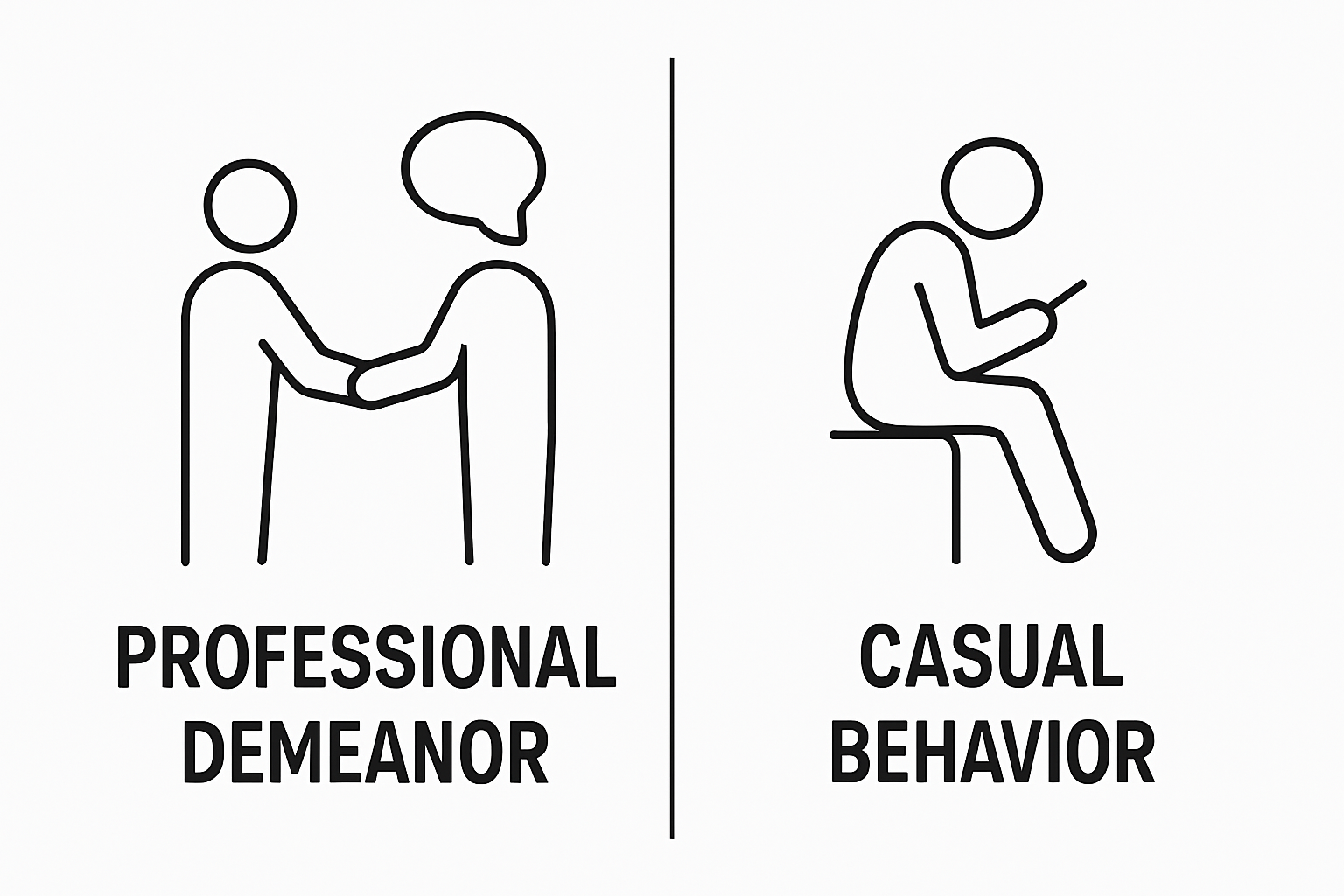 These principles serve as strategic tools for professional communication, designed to facilitate smooth interactions and create positive interpersonal dynamics in high-stakes dining environments.
Contextual Awareness and Cultural Sensitivity
Successful business dinner etiquette begins with profound contextual understanding. Professionals must recognize that dining protocols vary significantly across different cultural contexts, requiring adaptive and nuanced approaches. Emily Post Institute emphasizes the importance of researching and respecting cultural dining norms before engaging in international or cross-cultural business meals.
Key principles of contextual awareness include:
- Researching specific cultural dining expectations
- Understanding regional table manners and customs
- Recognizing potential communication nuances
- Demonstrating genuine respect for diverse practices
Professional Communication and Social Intelligence
Business dinner etiquette is fundamentally about communication. It requires professionals to balance verbal and nonverbal communication strategies, managing conversations with strategic precision. Effective communication during business meals involves active listening, measured responses, and subtle emotional intelligence.
Professionals must navigate complex social landscapes by maintaining appropriate conversation topics, managing personal boundaries, and creating comfortable interaction environments. This involves carefully steering discussions toward constructive professional outcomes while avoiding potentially sensitive or controversial subjects.
Additionally, for those interested in planning corporate events that incorporate sophisticated dining experiences, understanding these nuanced communication principles becomes even more critical. The ability to create inclusive, respectful dining environments can significantly enhance professional relationships and organizational reputation.
Cultural Considerations in Business Dining
Business dining across global contexts represents a complex landscape of cultural nuances, where understanding local customs becomes as critical as the professional interactions themselves. Cultural intelligence transforms from a desirable skill to an absolute necessity in navigating international professional relationships.
Global Dining Protocol Variations
Dining etiquette varies dramatically across different cultures, with seemingly minor behaviors potentially carrying significant social implications. The University of Washington Tacoma’s Business School emphasizes the importance of understanding these subtle yet profound cultural differences in professional dining settings.
Key cultural dining variations include:
- Acceptable table manners and eating techniques
- Expectations around conversation topics
- Protocols for serving and consuming food
- Appropriate gestures of respect and engagement
Navigating Cross-Cultural Communication
Successful cross-cultural business dining requires more than surface-level knowledge. Professionals must develop deep cultural empathy, recognizing that dining rituals are complex expressions of social values, hierarchical structures, and interpersonal respect. This demands active listening, observational skills, and a genuine willingness to understand and adapt to different cultural frameworks.
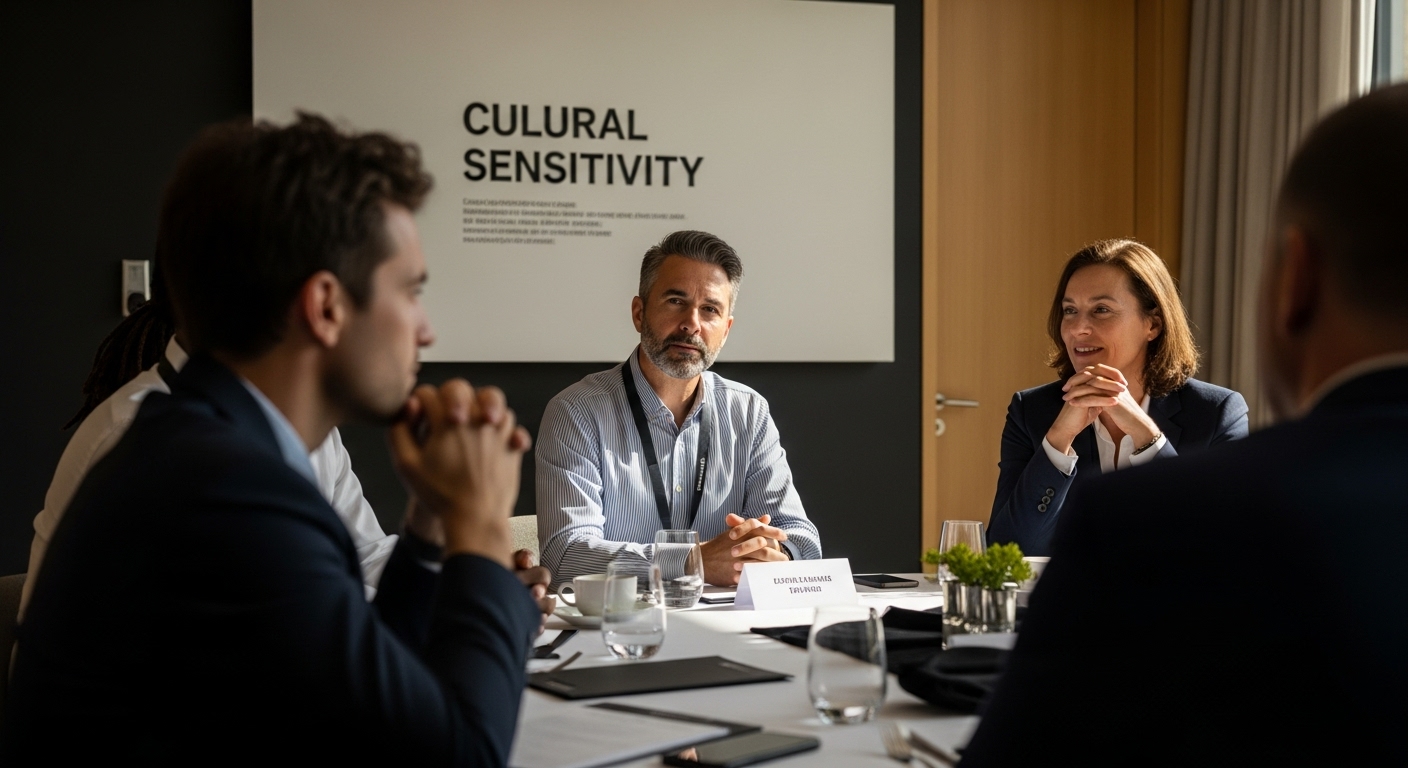
For professionals engaged in international business, understanding these nuanced cultural considerations becomes paramount. Missteps can potentially damage professional relationships, while thoughtful cultural adaptation can create powerful connection opportunities.
Moreover, professionals preparing for international business interactions can explore corporate event planning strategies that account for diverse cultural expectations, ensuring smoother, more respectful professional interactions across global contexts.
The Role of Non-Verbal Communication in Business Dinners
Non-verbal communication serves as a powerful and nuanced language in business dining environments, often speaking louder and more authentically than verbal exchanges. These silent signals can dramatically influence professional perceptions, relationship dynamics, and potential collaboration opportunities.
Decoding Silent Professional Signals
Muskingum University’s Impact Center highlights the profound significance of non-verbal cues during professional interactions. Body language, facial expressions, and physical positioning become intricate communication tools that convey confidence, respect, and professional competence.
Key non-verbal communication elements include:
- Maintaining appropriate eye contact
- Demonstrating attentive posture
- Managing hand gestures purposefully
- Controlling facial expressions
- Respecting personal space boundaries
Strategic Non-Verbal Engagement
Professionals must understand that non-verbal communication extends beyond simple gestures. It represents a sophisticated system of conveying emotional intelligence, cultural awareness, and interpersonal sensitivity. Subtle movements and positioning can communicate volumes about an individual’s professional capabilities and emotional maturity.
Effective non-verbal communication requires continuous self-awareness and adaptability. Professionals must read and respond to environmental cues, adjusting their physical presence to match the specific cultural and professional context of the business dinner.
For professionals preparing for high-stakes dining experiences, exploring corporate event planning strategies can provide additional insights into managing complex social interactions and non-verbal communication nuances.
Elevate Your Professional Image with Seamless Luxury Transportation
Mastering business dinner etiquette is about more than knowing the right fork to use. It is about demonstrating professionalism, cultural awareness, and creating a memorable first impression. But have you considered how your arrival sets the tone before the meal even begins? Your entrance is the first silent signal you give, reflecting respect for your hosts and attention to detail. In a setting where reputation and image matter, every step counts—including how you travel to your destination.
Trust Pompeii Limousine to complete the experience. Our premium chauffeur service lets you focus on strategic conversations, knowing your transportation is flawless, discreet, and on time. Make a powerful entrance at your upcoming business dinner and let your professionalism shine from the very first moment. Book your next corporate journey with us now and set a new standard in business etiquette.
Frequently Asked Questions
What is the purpose of business dinner etiquette?
Business dinner etiquette serves as a crucial framework for professional interactions during meals, helping individuals build relationships, establish credibility, and demonstrate cultural awareness in a formal dining setting.
Why is non-verbal communication important during business dinners?
Non-verbal communication plays a significant role during business dinners as it can convey respect, confidence, and professionalism. Subtle cues like body language and eye contact often communicate more than words, influencing perceptions and relationship dynamics.
How can I practice effective communication at a business dinner?
Effective communication at a business dinner involves active listening, maintaining appropriate conversation topics, and being aware of cultural nuances. It’s important to balance verbal and non-verbal cues while engaging in respectful and constructive dialogue.
What should I research before attending an international business dinner?
Before attending an international business dinner, you should research cultural dining norms, acceptable table manners, and any specific communication styles relevant to the attendees’ backgrounds. Understanding these customs helps foster respect and mitigate potential misunderstandings.


