Wedding planning stirs up a mix of excitement and nerves and for good reason. The average wedding in the US now costs about $30,000, which puts a serious spotlight on every decision you make. Most couples think budgeting is about cutting costs or saying no to their dreams. Actually, building a smart wedding budget is the most powerful way to have the celebration you want without sacrificing your future happiness or piling up regret.
Table of Contents
- What Is Wedding Budgeting And Why It Matters?
- Key Components Of A Wedding Budget You Should Know
- How Wedding Costs Are Estimated And Managed
- Understanding The Importance Of Prioritizing Wedding Expenses
- Real-World Examples Of Effective Wedding Budgeting Strategies
Quick Summary
| Takeaway | Explanation |
|---|---|
| Establish a clear wedding budget | Create a financial plan to manage costs and priorities effectively. |
| Prioritize essential expenses | Identify key areas where you want to allocate more funds for maximum impact. |
| Always include a contingency fund | Set aside 5-10% of your budget for unexpected costs, ensuring financial flexibility. |
| Engage in open financial discussions | Foster communication about spending expectations to align goals with your partner. |
| Utilize creative cost-saving strategies | Explore unconventional options like DIY projects and non-traditional venues to save money. |
What is Wedding Budgeting and Why it Matters?
Wedding budgeting represents a strategic financial planning process that transforms your dream wedding vision into a realistic, manageable financial roadmap. Unlike simple expense tracking, this comprehensive approach involves understanding, allocating, and controlling your wedding expenditures to ensure you celebrate your special day without compromising your financial future.
Understanding the Financial Landscape
Wedding budgeting goes far beyond just counting dollars. It is a nuanced process of balancing aspirations with financial constraints. According to The Knot’s 2022 Wedding Study, the average wedding in the United States costs approximately $30,000, underscoring the significant financial investment couples make in their matrimonial celebration.
The core objectives of wedding budgeting include:
- Establishing clear financial boundaries
- Preventing unexpected financial stress
- Ensuring equitable contribution from involved parties
- Creating a sustainable spending plan
Why Wedding Budgeting Matters
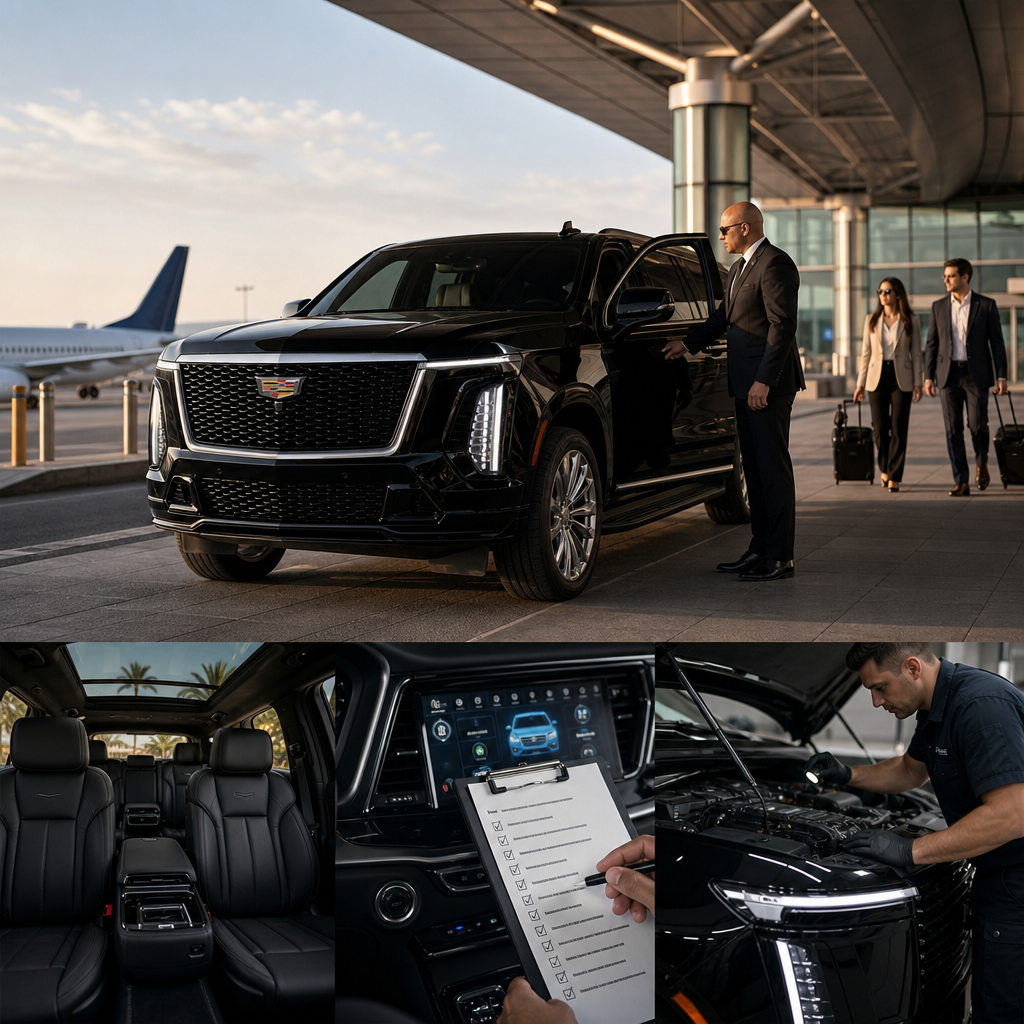
Financial planning for your wedding is not merely about restricting spending but about making informed, intentional choices. Wedding budgeting allows couples to prioritize what truly matters, whether that means splurging on wedding transportation with luxury vehicles or saving on less critical elements.
By developing a strategic budget, you protect yourselves from potential post-wedding financial strain. Many couples underestimate wedding expenses, leading to unexpected debt that can overshadow the joy of their celebration. A well-constructed budget provides transparency, helps manage expectations, and ensures that your wedding reflects your personal style without causing long-term financial stress.
Ultimately, wedding budgeting is an exercise in financial collaboration, communication, and compromise. It requires honest discussions about money, shared financial goals, and a unified vision for your special day. When approached thoughtfully, it becomes not just a financial tool, but a meaningful pre-wedding ritual that strengthens your partnership.
Key Components of a Wedding Budget You Should Know
Creating a comprehensive wedding budget requires understanding the critical financial elements that contribute to your overall wedding expenses. Think of your wedding budget as a complex financial ecosystem where each component plays a vital role in creating a balanced and sustainable financial plan.
Major Expense Categories
Wedding budgets typically encompass several core expense categories that require careful consideration and strategic allocation. According to Members 1st Federal Credit Union, successful wedding financial planning involves distinguishing between essential needs and desirable wants.
The primary expense categories include:
- Venue and catering
- Attire and accessories
- Photography and videography
- Floral arrangements and decor
- Music and entertainment
- Transportation and logistics
- Wedding rings
- Officiant and ceremony costs
Allocation and Prioritization Strategies
Successful wedding budgeting is not about minimizing expenses but strategically allocating funds to elements that matter most to you. Some couples might prioritize luxury wedding transportation while being more conservative with other aspects of their celebration.
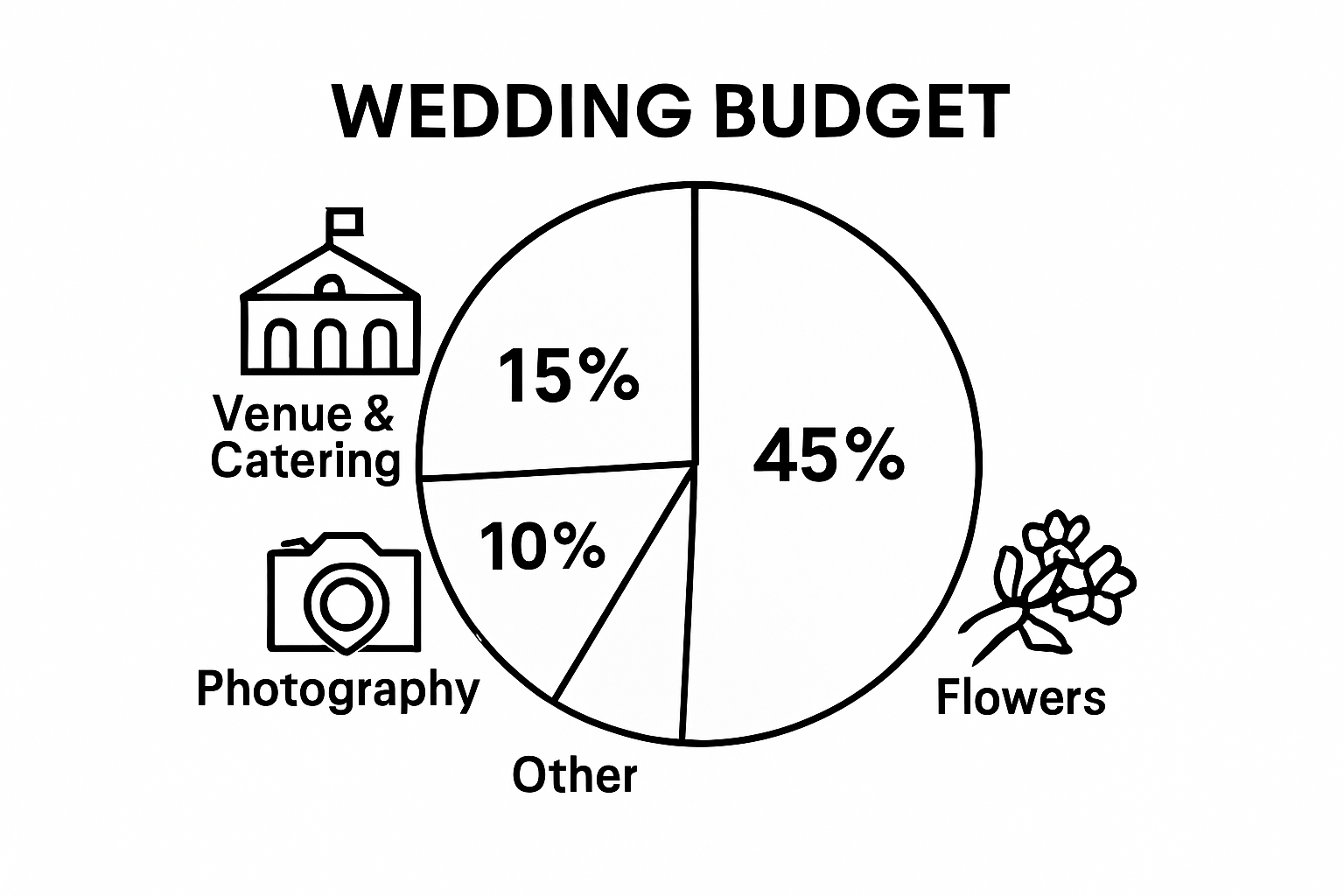
A recommended approach is the percentage-based budgeting method. Financial experts suggest allocating budget percentages based on priority and impact. For instance, venue and catering typically consume 40-50% of the total wedding budget, while photography might range between 10-15%.
Contingency and Hidden Costs
Smart wedding budgeting includes planning for unexpected expenses. Professionals recommend setting aside 5-10% of your total budget as a contingency fund. This buffer helps manage unexpected costs like last-minute alterations, vendor overtime, or additional guest accommodations.
Hidden costs can quickly escalate, including:
- Service charges and gratuities
- Marriage license fees
- Overtime charges for vendors
- Additional guest meals
- Post-wedding cleaning or restoration expenses
By understanding these key budget components, couples can create a financial blueprint that not only manages expenses but also preserves the joy and romance of their wedding celebration.
To help clarify the essential components of a typical wedding budget, the following table summarizes the major expense categories and their typical share of the total wedding budget.
| Expense Category | Typical Percentage of Budget | Notes |
|---|---|---|
| Venue & Catering | 40-50% | Largest cost; includes food, drinks, and rental fees |
| Attire & Accessories | 5-10% | Wedding dress, suit, shoes, jewelry |
| Photography & Videography | 10-15% | Professional photo/video coverage of the day |
| Floral Arrangements & Decor | 8-12% | Bouquets, centerpieces, venue decorations |
| Music & Entertainment | 8-10% | DJ, band, ceremony musicians |
| Transportation & Logistics | 2-5% | Limousines, shuttles, guest transportation |
| Wedding Rings | 2-4% | Engagement/wedding bands |
| Officiant & Ceremony Costs | 1-3% | Officiant fees, ceremony rentals, paperwork |
How Wedding Costs are Estimated and Managed
Wedding cost estimation is a sophisticated process that combines market research, personal preferences, and financial realities. Unlike simple expense tracking, it requires a nuanced approach that balances dream expectations with practical financial constraints.
Comprehensive Cost Assessment Methods
Accurate wedding cost estimation involves multiple strategic approaches. Wedding Wire’s Financial Planning Guide highlights the importance of thorough research and detailed financial mapping. Couples typically utilize three primary estimation techniques:
- Percentage-based budgeting
- Itemized cost breakdown
- Regional market rate analysis
- Personal income and savings assessment
Factors Influencing Wedding Cost Calculations
Several dynamic factors significantly impact wedding cost estimations. Guest count, venue selection, geographic location, and seasonal variations play crucial roles in determining overall expenses. Urban areas typically demonstrate higher wedding costs compared to rural regions, with metropolitan wedding expenses often exceeding suburban or rural celebrations.
Regional price variations can dramatically influence budget planning. For instance, a wedding in New York City might cost substantially more than an equivalent celebration in a smaller midwestern town. Couples must consider local market rates, vendor pricing, and regional economic factors when developing their financial strategy.
Strategic Cost Management Techniques
Effective cost management extends beyond initial estimation. Smart couples develop flexible financial frameworks that allow strategic adjustments. Some prioritize critical elements like wedding guest transportation services while finding creative cost-saving alternatives in other budget categories.
Advanced cost management strategies include:
- Negotiating package deals with vendors
- Selecting off-peak wedding dates
- Leveraging group discounts
- Implementing phased payment structures
- Creating transparent financial tracking mechanisms
Ultimately, successful wedding cost estimation and management require open communication, realistic expectations, and a willingness to make informed compromises that preserve both financial stability and wedding day magic.
The following table presents a comparison of common cost estimation and management strategies, highlighting their defining features and when they are typically used in wedding planning.
| Strategy | Purpose | Key Features | Typical Use Case |
|---|---|---|---|
| Percentage-based Budgeting | Allocate funds by category percentages | Uses preset % ranges for expenses | Early budget setup, overall planning |
| Itemized Cost Breakdown | Detailed tracking of each expense | Lists and monitors individual costs | Expense tracking, avoiding overspending |
| Regional Market Rate Analysis | Reflect local price variations | Researches costs by location and vendor | Venue/vendor selection, setting priorities |
| Personal Income Assessment | Sets limits based on available funds | Aligns budget with savings and spending ability | Determining total spend, avoiding debt |
Understanding the Importance of Prioritizing Wedding Expenses
Wedding expense prioritization is a critical financial strategy that transforms abstract budget numbers into meaningful, personalized celebration experiences. It represents a deliberate approach to allocating financial resources that reflects a couple’s unique values, preferences, and long-term financial goals.
The Philosophy of Strategic Expense Allocation
Prioritizing wedding expenses is more than simple mathematics. According to TDECU’s Financial Guidance, it involves making intentional choices that balance emotional significance with financial practicality. Couples must recognize that not every expense carries equal weight or emotional value.
Key principles of expense prioritization include:
- Identifying personal wedding vision
- Distinguishing between essential and discretionary expenses
- Aligning spending with meaningful experiences
- Maintaining long-term financial health
- Creating memorable moments without excessive financial strain
Emotional and Financial Balancing Act
Successful wedding expense prioritization requires couples to have transparent conversations about their financial expectations and limitations. Some might choose to invest more in luxurious wedding transportation services while economizing in other areas, demonstrating how personal preferences guide budget decisions.
The emotional dimension of expense prioritization cannot be overlooked. Each spending decision represents a statement about the couple’s values, relationship dynamics, and future aspirations. A carefully curated wedding budget becomes a reflection of their collaborative decision making and mutual understanding.
Practical Strategies for Effective Prioritization
Effective expense prioritization involves systematic approaches that transform abstract financial concepts into actionable strategies. Couples should develop a comprehensive ranking system that assigns relative importance to different wedding elements.
Prioritization techniques include:
- Creating a weighted importance matrix
- Conducting joint financial assessment
- Establishing clear spending thresholds
- Identifying potential cost-saving alternatives
- Maintaining flexibility for unexpected expenses
Ultimately, wedding expense prioritization is an intimate financial journey that requires mutual respect, open communication, and a shared vision of celebrating love while maintaining fiscal responsibility.
Real-World Examples of Effective Wedding Budgeting Strategies
Real-world wedding budgeting strategies transform theoretical financial planning into practical, actionable approaches that help couples navigate the complex landscape of wedding expenses. These strategies represent innovative solutions that balance emotional desires with financial realities.
Creative Cost Reduction Techniques
According to TDECU’s Wedding Financial Planning Guide, couples can significantly reduce wedding expenses through strategic and innovative approaches. The most successful strategies involve thinking beyond traditional wedding spending patterns and embracing creative alternatives.
Effective cost reduction methods include:
- Selecting non-traditional venues
- Hosting weekday or off-season weddings
- Implementing DIY decorations and elements
- Negotiating comprehensive vendor packages
- Utilizing digital invitations and communications
Strategic Resource Allocation
Smart couples understand that budget management is about intelligent resource allocation rather than pure cost cutting. For instance, some might choose to invest in premium wedding transportation while economizing in other areas, creating a personalized approach that reflects their unique priorities.
Resource allocation strategies often involve:
- Identifying high-impact wedding elements
- Redistributing funds from less critical expenses
- Leveraging personal skills and network connections
- Exploring alternative service providers
- Negotiating flexible payment structures
Collaborative Budgeting Approaches
Successful wedding budgeting transcends individual financial management, becoming a collaborative process that strengthens relationship dynamics. Couples who approach budgeting as a shared journey often develop more robust and meaningful financial strategies.
Collaborative budgeting techniques involve:
- Conducting transparent financial discussions
- Setting mutual budget expectations
- Creating shared financial goals
- Developing joint decision making frameworks
- Establishing financial accountability mechanisms
Ultimately, real-world wedding budgeting is an art form that combines financial wisdom, emotional intelligence, and creative problem solving. By embracing flexible, personalized strategies, couples can create memorable celebrations without compromising their financial future.

Celebrate Your Wedding in Style Without Breaking the Bank
Your wedding budget should help you create beautiful memories, not added financial stress. Many couples in the article face challenges like prioritizing expenses, managing unexpected costs, and finding reliable solutions that fit their plan. Choosing the right transportation is a vital part of your financial strategy. Premium vehicles can add a special touch to your big day while remaining a manageable part of your overall spending plan.

Imagine arriving in an elegant limousine or luxury car, all while staying within your sensible wedding budget. Pompeii Limousine specializes in chauffeur-driven transportation for Southern California weddings, offering a range of high-end vehicles to match every vision. With flexible booking options, transparent service descriptions, and a commitment to top-tier professionalism, our team helps you capture unforgettable moments without surprise expenses. Make your wedding day truly exceptional and experience the peace of mind that comes from smart planning.
Ready to secure your dream ride and check transportation off your budget list? Explore our fleet and set your plans in motion now by visiting Pompeii Limousine.
Frequently Asked Questions
What is wedding budgeting?
Wedding budgeting is a strategic financial planning process that helps couples create a realistic financial roadmap for their wedding, ensuring they can celebrate their special day while maintaining control over their expenses.
Why is wedding budgeting important?
Wedding budgeting is important because it helps couples set clear financial boundaries, prevents unexpected financial stress, ensures equitable contributions from involved parties, and creates a sustainable spending plan that reflects their values and priorities.
What are the key components of a wedding budget?
Key components of a wedding budget include major expense categories such as venue and catering, attire and accessories, photography and videography, floral arrangements and decor, music and entertainment, transportation, rings, and officiant costs.
How can couples effectively prioritize their wedding expenses?
Couples can effectively prioritize their wedding expenses by identifying their personal wedding vision, distinguishing between essential and discretionary expenses, aligning their spending with meaningful experiences, and maintaining open communication about their financial expectations.