Wedding invitations are more than just formal pieces of stationery. Traditional etiquette once dictated that the bride’s parents were always listed first on the invite. Modern couples are shaking things up and personalizing every last detail. Some are even swapping out formal phrases for playful words that tell their unique love story right from the envelope.
Table of Contents
- Understanding The Basics Of Invitation Wording
- Traditional Wording For Formal Weddings
- Modern Wording For Casual Celebrations
- Including Parents’ Names: A Guide
- Crafting Unique Invitation Phrases
- RSVP Details: How To Communicate Clearly
- Additional Information: Accommodations And Extras
Quick Summary
| Takeaway | Explanation |
|---|---|
| Identify Your Hosts Clearly | Specify who is hosting the wedding to set expectations. This clarity helps guests understand the wedding’s formality and context. |
| Choose Appropriate Wording Style | Match your invitation’s wording to the desired tone of your wedding, whether formal or casual. This reflects your personalities and sets the event’s mood. |
| Provide Clear RSVP Instructions | Clearly communicate how and when guests should respond to your invitation. This helps avoid confusion and ensures accurate guest counts for planning. |
| Include Essential Additional Information | Share travel, dress code, and accommodation details to enhance the guest experience. This shows thoughtfulness and helps attendees prepare effectively. |
| Craft Unique Invitation Phrases | Use personalized language and storytelling to reflect your relationship’s spirit. Unique phrases can make your invitation memorable and engaging for guests. |
1: Understanding the Basics of Invitation Wording
Wedding invitation wording serves as the first glimpse into your matrimonial celebration, setting the tone and style for your entire event. Crafting the perfect invitation requires understanding several critical elements that communicate not just the logistical details, but also the personality and formality of your wedding.
According to The Emily Post Institute, wedding invitation wording traditionally follows specific etiquette guidelines that help convey key information clearly and elegantly. These guidelines help couples navigate the nuanced world of wedding communication.
Key considerations for invitation wording include:
-
Identifying Wedding Hosts: Clarify who is officially hosting the wedding (parents, couple, or both)
-
Names and Order: Determine the appropriate way to list couple and parental names
-
Formality Level: Match the language style to your wedding’s overall tone
The core information your wedding invitation must communicate includes the couple’s names, wedding date, ceremony time, venue location, and any additional event details like reception information or dress code. While traditional invitations followed strict formal protocols, modern couples now have more flexibility in expressing their unique style.
Typically, wedding invitation wording falls into several standard formats:
-
Traditional Formal: Featuring full names and parents’ names
-
Contemporary Casual: More relaxed language reflecting the couple’s personality
-
Cultural Specific: Incorporating traditional elements from specific cultural backgrounds
Choosing the right wedding invitation wording requires balancing personal expression with clear communication. Your invitation should feel authentic to you while providing guests with all necessary event details. Remember that this single piece of stationery represents the first official announcement of your wedding and sets expectations for your guests about the celebration to come.
2: Traditional Wording for Formal Weddings
Traditional wedding invitation wording represents an elegant and time-honored approach to announcing your matrimonial celebration. These formal invitations follow specific linguistic conventions that communicate respect, sophistication, and ceremonial significance.
According to Wikipedia, formal wedding invitations are traditionally written in the third person, featuring a structured language that emphasizes the ceremonial nature of the event. This approach provides a classic framework for communicating wedding details with utmost refinement.
Key elements of traditional formal wedding invitation wording include:
-
Full Parental Names: Traditionally listing parents who are hosting the wedding
-
Formal Request Language: Using phrases like “request the honor of your presence”
-
Complete Date and Time: Spelling out numerals and time
The standard format typically begins with the parents of the bride extending the invitation, using full names and a dignified request. For instance: “Mr. and Mrs. Jonathan Alexander Smith request the honor of your presence at the marriage of their daughter…” Time is written out completely, such as “seven o’clock in the evening,” avoiding numeric abbreviations.
Important considerations for traditional invitation wording:
-
Spell out all words including state names and numbers
-
Use full names without unnecessary abbreviations
-
Match the invitation’s language to the wedding’s formality level
While adhering to tradition, modern couples can still personalize their invitations by subtly incorporating their unique style. For those planning an elegant celebration, these formal wording guidelines provide a sophisticated template. Learn more about creating memorable wedding experiences that complement your sophisticated invitation style.
Remember that your wedding invitation serves as the first glimpse into your celebration, setting expectations for guests about the event’s tone and formality. A well-crafted traditional invitation communicates not just logistical details, but also the reverence and joy of your matrimonial commitment.
3: Modern Wording for Casual Celebrations
Modern wedding invitation wording embraces a more relaxed and personal approach, reflecting couples’ unique personalities and contemporary relationship dynamics. Unlike traditional formal invitations, these contemporary styles prioritize authenticity and individual expression.
According to Texas Marriage Resources, contemporary invitations often feature conversational language that feels more intimate and genuine. The goal is to communicate your wedding details while showcasing your relationship’s spirit.
Key characteristics of modern casual wedding invitation wording include:
-
Conversational Tone: Using natural, friendly language
-
Personal Storytelling: Incorporating elements of your relationship
-
Flexible Formatting: Breaking away from rigid traditional structures
Instead of the third-person formal language, modern invitations might read like a heartfelt announcement. For example: “Together with love and excitement, [Bride’s Name] and [Groom’s Name] invite you to celebrate our wedding day.”
Important considerations for crafting modern wedding invitations:
-
Keep language authentic and true to your relationship
-
Include personal details that reflect your connection
-
Maintain clarity about event logistics
Explore unique wedding themes that can complement your invitation’s modern style. Whether you choose a playful, romantic, or minimalist approach, the key is ensuring your invitation feels like a genuine reflection of your relationship.
Modern wedding invitation wording gives couples the freedom to be creative. From quirky and humorous to elegantly understated, these invitations break traditional rules while still communicating the essential details of your celebration. The most important element is that the invitation feels true to you and generates excitement about your upcoming wedding day.
4: Including Parents’ Names: A Guide
Including parents’ names on wedding invitations is a nuanced tradition that reflects family dynamics, cultural expectations, and personal preferences. The approach to listing parental names varies depending on who is hosting the wedding and the overall tone of the celebration.
Traditionally, wedding invitations have followed specific etiquette regarding parental representation. The bride’s parents were historically listed first, especially if they were financially supporting the wedding. However, modern couples are increasingly flexible in how they acknowledge their families.
Important considerations for including parents’ names include:
-
Financial Contribution: Parents who are funding the wedding are typically listed first
-
Cultural Background: Some cultures have specific traditions about parental acknowledgment
-
Family Dynamics: Consider relationships and potential sensitivities
Different scenarios require different approaches to listing parental names. For divorced parents, modern etiquette suggests listing each parent separately on separate lines. If parents are remarried, you might include stepparents or choose to list only biological parents.
Key wording variations might include:
-
Traditional: “Mr. and Mrs. Robert Johnson request the honor of your presence…”
-
Divorced Parents: “Mrs. Susan Thompson and Mr. Robert Johnson invite you to…”
-
Both Families Hosting: “Together with their families, [Couple’s Names] invite you…”
Explore unique wedding transportation options that can complement your family-inclusive invitation approach. The goal is to create an invitation that feels authentic and respectful to your family’s unique structure.
Remember that there’s no universally perfect way to list parents’ names. The most important aspect is choosing an approach that feels comfortable for everyone involved and reflects the genuine spirit of your celebration. Modern wedding invitations offer significant flexibility, allowing couples to honor their families while expressing their personal style.
5: Crafting Unique Invitation Phrases
Crafting unique wedding invitation phrases transforms a standard announcement into a memorable keepsake that captures the essence of your relationship. Creative wording allows couples to infuse their personality into this important communication, making the invitation a reflection of their journey together.
According to Gallaudet University’s Writing Guide, effective invitations balance personal expression with clear communication. The goal is to create a phrase that is both meaningful and informative.
Key elements for developing distinctive invitation phrases include:
-
Emotional Authenticity: Capture the genuine feeling of your relationship
-
Storytelling: Incorporate a brief narrative that reflects your connection
-
Playful Language: Use humor or meaningful references unique to your relationship
Unique phrasing can take multiple creative approaches. Some couples choose poetic expressions, while others opt for lighthearted declarations that showcase their personalities. For instance, instead of traditional formal language, you might write: “Love found us, adventure awaits us, and we can’t wait to celebrate with you!”
Consider these inventive phrase styles:
-
Romantic narrative phrases
-
Quirky, humor-infused announcements
-
Metaphorical expressions of your relationship
Discover wedding themes that complement your unique style and can inspire your invitation’s creative direction. Whether you choose a whimsical approach or an elegant narrative, the key is authenticity.
Remember that your invitation is the first glimpse guests will have of your wedding’s spirit. A well-crafted, unique phrase sets the tone for the celebration, building anticipation and excitement. By moving beyond traditional templates, you create an invitation that is not just an announcement, but a cherished memento of your love story.
6: RSVP Details: How to Communicate Clearly
Communicating RSVP details clearly is crucial for effective wedding planning, ensuring guests understand how and when to respond to your invitation. The RSVP process serves as a critical logistical component of wedding preparation, helping couples accurately track guest attendance and make precise arrangements.
According to Oakland University’s Invitation Style Guide, clear RSVP communication involves providing specific, straightforward instructions that leave no room for confusion.
Key considerations for crafting clear RSVP instructions include:
-
Response Deadline: Specify an exact date by which guests must reply
-
Response Methods: Provide multiple convenient response options
-
Guest Count Tracking: Include spaces for indicating total number of attendees
Modern RSVP communications often include multiple response channels to accommodate different guest preferences. This might involve including:
-
Traditional paper response cards
-
Digital response websites
-
Email contact information
-
Telephone contact number
Typical RSVP wording might read: “Kindly respond by [specific date] with the number of guests attending. Please contact [contact method] with your response.”
Learn more about coordinating event logistics to ensure smooth communication with your wedding guests. The goal is to make the response process as simple and straightforward as possible for your invitees.
Remember that clear communication prevents misunderstandings and helps you plan more effectively. Include all necessary details such as dietary restrictions, plus-one policies, and any specific event requirements. A well-designed RSVP process reflects thoughtfulness and helps create a seamless wedding planning experience.
7: Additional Information: Accommodations and Extras
Wedding invitations provide an opportunity to share critical supplementary information that helps guests prepare and feel welcomed. Beyond basic event details, these additional elements can significantly enhance guest experience and reduce potential confusion.
According to Gallaudet University’s Invitation Guidelines, comprehensive invitations should include more than just ceremony specifics.
Key additional information to consider including:
-
Travel and Lodging Details: Nearby hotel recommendations
-
Dress Code: Clear guidance on expected attire
-
Transportation Information: Parking instructions or shuttle services
Guests appreciate comprehensive information that helps them plan effectively. Potential extras might include:
-
Wedding website link for further details
-
Accommodation block information
-
Local area recommendations
Including accessibility information demonstrates thoughtfulness. A sample statement might read: “We are committed to making our celebration accessible. If you require specific accommodations, please contact [contact information] at least two weeks prior to the event.”
Explore wedding transportation options to help guests navigate your celebration seamlessly. Comprehensive communication reduces stress for both hosts and attendees.
Remember that extra details transform an invitation from a simple announcement into a welcoming guide. By anticipating guests’ potential questions and providing clear, helpful information, you create a more inclusive and enjoyable wedding experience. Thoughtful additional details show your guests how much you value their presence and comfort.
The table below summarizes the seven essential wedding invitation wording ideas covered in this article, highlighting key considerations, best practices, and the benefits of each approach for creating memorable and effective invitations.
| Section | Key Focus & Recommendations | Benefits for Your Wedding Invitation |
|---|---|---|
| Understanding the Basics of Invitation Wording | Clarify hosts, list all essential event details, select tone (formal/casual), and align language with celebration style. | Sets the tone, informs guests, personal touch |
| Traditional Wording for Formal Weddings | Use full parental names, formal phrases, spell out all names and numbers, follow etiquette for structure and refinement. | Conveys elegance, meets tradition, sets expectations |
| Modern Wording for Casual Celebrations | Adopt a conversational tone, personalize the message, break format rules, keep details clear and authentic to your style. | Reflects personality, builds excitement, feels genuine |
| Including Parents’ Names: A Guide | Decide whose names to list based on family roles, finances, or dynamics; follow etiquette or personalize as needed. | Honors families, manages sensitivities, respects roles |
| Crafting Unique Invitation Phrases | Use emotional storytelling, humor, or creative language to capture your relationship and make your invitation memorable. | Makes invitations distinctive, builds anticipation |
| RSVP Details: How to Communicate Clearly | Clearly state deadlines and response methods, give options (cards, email, phone, website), and track guest attendance. | Ensures accuracy, eases planning, avoids confusion |
| Additional Information: Accommodations & Extras | Provide travel, lodging, dress code, transportation, accessibility, and wedding website info for a well-prepared guest list. | Enhances experience, reduces stress, shows thoughtfulness |
Make Your Wedding Invitation Stand Out With The Perfect Arrival
You have crafted each detail of your wedding invitation to reflect your unique story and set the right expectations for your celebration. Yet, even the most thoughtfully worded invitation can leave guests wondering about the full experience, especially when it comes to how they will arrive and depart. Many couples face the challenge of coordinating guest comfort and ensuring that their special day feels just as elevated and memorable as promised in their invitations. Don’t let complicated transportation logistics undermine the meaningful tone you’ve created. Give your guests the gift of ease, style, and prestige from the very first moment they arrive.

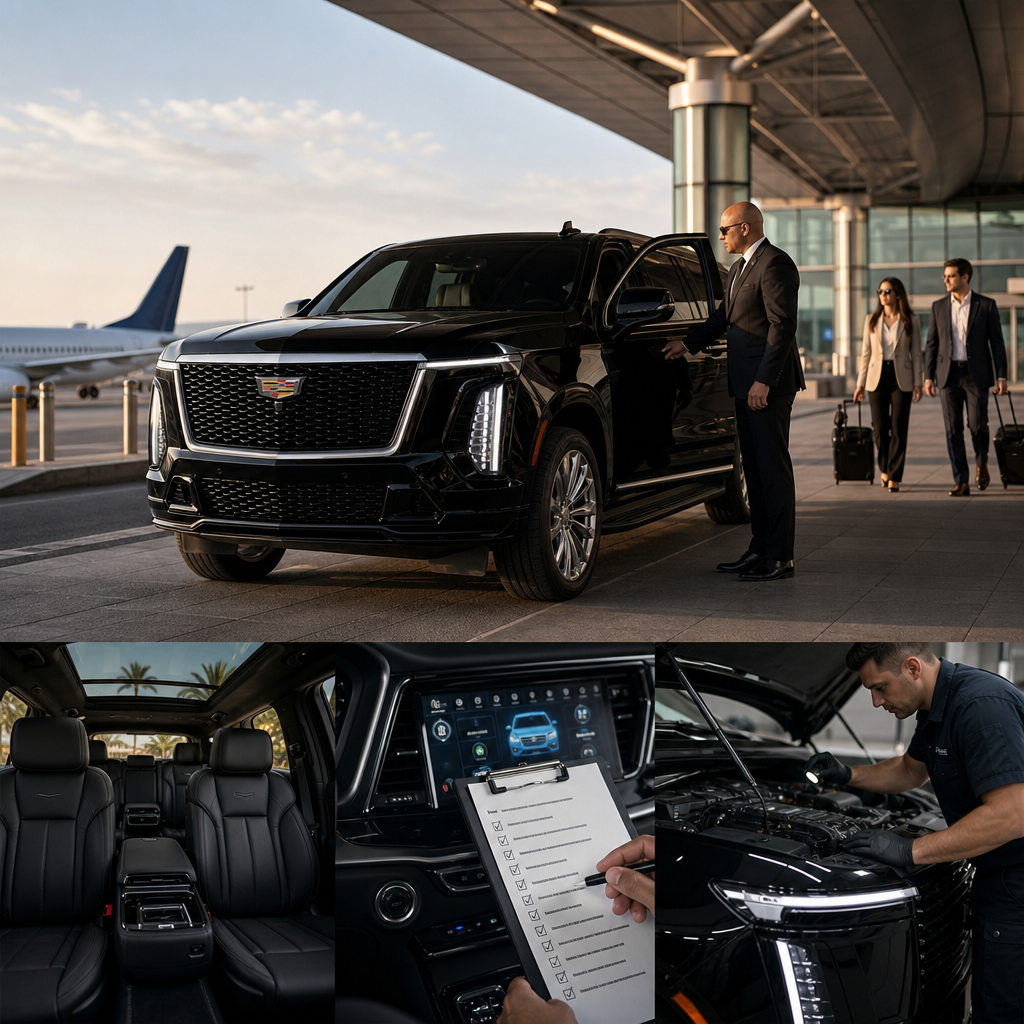
Let your wedding story begin the instant your guests see a professional chauffeur and a stunning luxury vehicle ready to welcome them. Visit Pompeii Limousine to discover personalized, high-end transportation solutions that match the elegance of your invitations. From sophisticated wedding transportation options to exclusive luxury vehicles, we help you create a seamless and lasting impression. Secure your date now to guarantee flawless service for your celebration. Your journey to a truly unforgettable wedding experience starts here.
Frequently Asked Questions
What are the key components of wedding invitation wording?
The essential components include the couple’s names, wedding date, ceremony time, venue location, and any additional event details, like reception information or dress code.
How can I choose between traditional and modern wedding invitation wording?
Consider the tone and formality of your wedding. Traditional wording is more formal, while modern wording allows for a personal, casual style. Choose the one that best reflects your relationship and wedding theme.
Is it necessary to include parents’ names on the invitation?
Including parents’ names is traditional and reflects family dynamics. However, modern invitations may vary depending on who is hosting the wedding and the couple’s preference.
What should I include in the RSVP details on my invitation?
Clearly communicate a response deadline, mention response methods (like paper cards or digital options), and include spaces for guests to indicate the number of attendees. This helps streamline your planning process.